
Title Text
Lorem ipsum dolor sit amet, consectetur adipiscing elit, sed do eiusmod tempor incididunt ut labore et dolore magna aliqua.
Title Text
Lorem ipsum dolor sit amet, consectetur adipiscing elit, sed do eiusmod tempor incididunt ut labore et dolore magna aliqua.
Title Text
Lorem ipsum dolor sit amet, consectetur adipiscing elit, sed do eiusmod tempor incididunt ut labore et dolore magna aliqua.
Title Text
Lorem ipsum dolor sit amet, consectetur adipiscing elit, sed do eiusmod tempor incididunt ut labore et dolore magna aliqua.

Layout Control
Lightning has column control function that you can specific column number from “Appearance > Customize > Lightning Layout Setting” and specific post edit screen.
News & Information
- Indian Car Brands: The Evolution of India’s Automobile Industry
 India’s automobile industry is one of the largest and fastest-growing automotive markets in the world. From the iconic Hindustan Ambassador and Maruti 800 to today’s feature-rich SUVs and electric vehicles, Indian car brands have played an important role in transforming the country’s mobility landscape. Over the decades, Indian automobile manufacturers have evolved through innovation, engineering, affordability, design, and technology. Today, homegrown companies such as Tata Motors and Mahindra are competing in domestic and international markets, while several other manufacturers contribute to India’s automotive ecosystem. Let’s explore the history, leading manufacturers, popular models, and future of Indian car brands. 1. Tata Motors – Driving India’s Automotive Innovation Headquarters: Mumbai, Maharashtra Founded in 1945, Tata Motors is one of India’s most established automobile manufacturers. Originally known for commercial vehicles, the company has become a major player in passenger vehicles, SUVs, and electric mobility. Tata Motors is recognised for its focus on vehicle safety, technology, and innovation. Popular car models: Tata Nexon Tata Punch Tata Harrier Tata Safari Tata Tiago Tata Altroz Tata Curvv What makes Tata Motors special? Strong focus on vehicle safety. Significant presence in electric vehicles. Wide passenger and commercial vehicle portfolio. Growing international automotive presence. 2. Mahindra & Mahindra – The SUV Specialist Headquarters: Mumbai, Maharashtra Mahindra & Mahindra is one of India’s most recognised automotive brands, particularly known for its SUVs, utility vehicles, and off-road capabilities. Established in 1945, Mahindra has developed a strong reputation among customers looking for powerful, rugged, and adventure-oriented vehicles. Popular car models: Mahindra Thar Mahindra Thar Roxx Mahindra Scorpio-N Mahindra XUV700 Mahindra XUV 3XO Mahindra Bolero Mahindra BE 6 What makes Mahindra special? Strong SUV and off-road heritage. Popularity in rural and urban markets. Growing electric SUV portfolio. Strong association with adventure and utility vehicles. 3. Maruti Suzuki – India’s Mass-Market Automobile Leader Headquarters: New Delhi, India Maruti Suzuki India was established in 1981 as Maruti Udyog Limited, with Suzuki Motor Corporation becoming its strategic partner. The company revolutionised personal transportation in India with affordable, fuel-efficient, and easy-to-maintain cars. Maruti Suzuki remains one of the country’s most influential passenger vehicle manufacturers. Popular car models: Maruti Suzuki Swift Maruti Suzuki Baleno Maruti Suzuki Brezza Maruti Suzuki Dzire Maruti Suzuki Fronx Maruti Suzuki Grand Vitara Maruti Suzuki Wagon R Maruti Suzuki Ertiga What makes Maruti Suzuki special? Extensive dealership and service network. Strong resale value. Affordable ownership and maintenance. Wide range of hatchbacks, sedans, and SUVs. 4. Force Motors – India’s Utility Vehicle Manufacturer Headquarters: Pune, Maharashtra Force Motors is an Indian automotive manufacturer known for utility vehicles, commercial transportation, and specialised mobility solutions. The company has developed a strong presence in passenger transport, institutional mobility, and rugged vehicles. Popular vehicles: Force Gurkha Force Urbania Force Trax Cruiser Traveller range What makes Force Motors special? Strong utility vehicle expertise. Rugged vehicle engineering. Passenger and commercial transportation solutions. Specialised mobility applications. 5. Hindustan Motors – The Legacy of the Ambassador Headquarters: Kolkata, West Bengal Hindustan Motors holds a special place in India’s automotive history. Its Ambassador became one of the country’s most iconic cars and was widely used by government officials, business professionals, and families. Although its passenger car manufacturing has ended, the Ambassador remains an important symbol of India’s automobile heritage. Popular historic models: Hindustan Ambassador Hindustan Contessa Hindustan Landmaster What makes Hindustan Motors special? Pioneer of India’s passenger car industry. Ambassador’s iconic status. Strong connection with India’s automotive history. 6. Premier Automobiles – A Pioneer of Indian Car Manufacturing Premier Automobiles was one of India’s early passenger vehicle manufacturers. The company became popular through vehicles such as the Premier Padmini, which remained a familiar sight on Indian roads for decades. Popular historic models: Premier Padmini Premier 118NE Premier Rio Its contribution to India’s early automobile manufacturing landscape remains significant. 7. DC2 – India’s Automotive Design and Customisation Brand DC2, formerly associated with the DC Design identity, is known for automotive design, customisation, and luxury vehicle interiors. Rather than being a conventional mass-market car manufacturer, DC2 has established its identity through bespoke automotive design and specialised vehicle transformations. What makes DC2 special? Premium vehicle customisation. Bespoke automotive interiors. Distinctive vehicle design concepts. Luxury automotive styling. Indian Car Brands at a Glance Brand Specialisation Popular models Tata Motors Passenger and electric vehicles Nexon, Punch, Harrier Mahindra SUVs and utility vehicles Thar, Scorpio-N, XUV700 Maruti Suzuki Mass-market passenger cars Swift, Baleno, Brezza Force Motors Utility and commercial vehicles Gurkha, Urbania Hindustan Motors Automotive heritage Ambassador, Contessa Premier Automobiles Historic passenger cars Padmini, 118NE DC2 Custom automotive design Bespoke vehicles Note: Maruti Suzuki is an Indian subsidiary of Japan’s Suzuki Motor Corporation. DC2 is included as an Indian automotive design and customisation brand rather than a conventional mass-market manufacturer. How Indian Car Brands Have Transformed Over the Years India’s automobile industry has experienced several important transformations. 1. From Affordable Cars to Premium SUVs Earlier, Indian consumers primarily focused on affordability, fuel efficiency, and maintenance costs. Today, demand has expanded towards premium SUVs, connected vehicles, advanced safety features, and luxury experiences. 2. The Rise of Electric Vehicles Electric mobility is changing the Indian automotive landscape. Tata Motors, Mahindra, and other manufacturers are investing in electric vehicle technology, battery platforms, charging infrastructure, and sustainable transportation. 3. Focus on Vehicle Safety Safety has become an increasingly important consideration for Indian car buyers. Features such as airbags, electronic stability control, advanced driver assistance systems, and stronger vehicle structures are becoming increasingly relevant. 4. Technology and Connected Mobility Modern Indian vehicles increasingly offer: Touchscreen infotainment systems. Smartphone connectivity. Connected car technology. Digital instrument clusters. Advanced driver assistance systems. Smart navigation and voice controls. The Future of Indian Automobile Brands The future of India’s automobile industry will be shaped by several emerging trends. Electric mobility: More affordable electric cars and improved charging infrastructure. SUV growth: Continued demand for compact, mid-size, and premium SUVs. Export expansion: Indian manufacturers exploring international markets. Artificial intelligence: Smart driving assistance, connected technology, and predictive vehicle maintenance. Sustainable manufacturing: Greater focus on recyclable materials, battery technology, and reduced emissions. Conclusion: Indian Automotive Brands Driving the Future Indian car brands represent more than vehicles. They reflect India’s industrial growth, engineering capabilities, technological progress, and changing consumer aspirations. From Maruti Suzuki’s contribution to affordable mobility to Tata Motors’ electric vehicle ambitions and Mahindra’s SUV legacy, Indian automotive companies continue to shape the country’s transportation future. As the industry moves towards electrification, connected mobility, and advanced engineering, Indian manufacturers have an exciting opportunity to strengthen their presence both domestically and globally. Made in India. Driven by Innovation. Built for the Future. Frequently Asked Questions (FAQs) 1. Which are the major Indian car brands? Tata Motors, Mahindra & Mahindra, Maruti Suzuki, and Force Motors are among the major manufacturers operating in India’s passenger and utility vehicle markets. 2. Which is India’s oldest car manufacturer? Hindustan Motors is among India’s earliest automobile manufacturers, established in 1942. 3. Which Indian car brands manufacture electric vehicles? Tata Motors and Mahindra are among the prominent Indian manufacturers offering electric passenger vehicles. 4. Which Indian car brand is famous for SUVs? Mahindra is particularly well known for its SUVs, including the Thar, Scorpio-N, and XUV700. Tata Motors is also a major SUV manufacturer. 5. Which Indian car became a symbol of India’s automotive heritage? The Hindustan Ambassador is one of India’s most iconic historic automobiles. 6. Are Indian car brands expanding internationally? Yes. Indian automotive manufacturers participate in international markets through vehicle exports, manufacturing partnerships, and global operations.
- Indian Paintings: Exploring the Rich Heritage, Colours and Stories of India’s Traditional Art
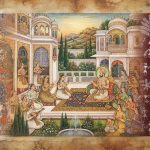 Indian Paintings: A Journey Through India’s Timeless Artistic Heritage India is a land of colours, traditions, cultures, and extraordinary creativity. For centuries, paintings have played an important role in expressing India’s cultural identity, religious beliefs, folklore, mythology, and everyday life. From the intricate patterns of Madhubani to the vibrant storytelling of Pattachitra, traditional Indian paintings are much more than decorative artworks. Every brushstroke represents a story, every colour carries a meaning, and every artistic style reflects the traditions of the region from which it originates. Indian paintings have evolved through generations, with artists preserving ancient techniques while introducing contemporary interpretations. Today, these art forms are finding their place in modern homes, galleries, offices, and luxury interior spaces. Let’s explore some of India’s most beautiful traditional painting styles and the stories behind them. 1. Madhubani Painting – The Colourful Art of Bihar Originating in the Mithila region of Bihar, Madhubani painting is one of India’s most recognisable folk-art traditions. Traditionally practised by women, this art form features intricate geometric patterns, floral designs, fish, birds, peacocks, and mythological characters. Natural colours derived from plants, flowers, and other materials were historically used to create these paintings. What makes it special? Intricate patterns and detailed compositions. Themes inspired by Hindu mythology and nature. Traditional use of natural pigments. Distinctive borders and minimal empty spaces. Where it works beautifully: Wall paintings, decorative panels, trays, home accessories, and contemporary interior décor. 2. Warli Painting – Stories of Tribal Life Warli painting originates from the Warli tribal communities of Maharashtra. Unlike many colourful Indian painting traditions, Warli art is recognised for its simple white geometric figures painted against earthy backgrounds. Circles, triangles, and squares form the foundation of its visual language. Artists use these shapes to represent people, animals, trees, farming activities, festivals, and community celebrations. What makes it special? Minimalist geometric figures. Traditionally white designs on mud-coloured surfaces. Depictions of tribal culture and everyday life. Famous circular Tarpa dance compositions. Where it works beautifully: Minimalist interiors, wall art, wooden décor, furniture accents, and contemporary lifestyle products. 3. Pattachitra Painting – The Storytelling Art of Odisha Pattachitra is a traditional painting style associated with Odisha, particularly the region around Puri and Raghurajpur. The word Pattachitra comes from the Sanskrit words ‘Patta’, meaning cloth or canvas, and ‘Chitra’, meaning picture. These paintings are known for their elaborate details, decorative borders, bold colours, and mythological themes, especially stories associated with Lord Jagannath, Krishna, and other Hindu deities. What makes it special? Detailed mythological storytelling. Traditional cloth-based paintings. Fine lines and elaborate decorative borders. Natural colours and traditional preparation techniques. Where it works beautifully: Traditional wall décor, framed artwork, collector’s pieces, and cultural interiors. 4. Tanjore Painting – The Royal Art of Tamil Nadu Tanjore or Thanjavur painting is a celebrated classical South Indian art form. It is particularly famous for its rich colours, gold foil embellishments, raised decorative surfaces, and beautifully depicted Hindu deities. Historically supported by royal patrons and temple traditions, this art form reflects devotion, craftsmanship, and grandeur. What makes it special? Rich gold foil detailing. Embossed and raised decorative elements. Vibrant colours and devotional themes. Ornate compositions and traditional framing. Where it works beautifully: Pooja rooms, traditional living spaces, luxury interiors, and heritage-inspired décor. 5. Gond Painting – The Art of Nature and Imagination Gond painting originates from the Gond tribal communities of central India, particularly Madhya Pradesh. Nature is the central inspiration behind this art form. Artists portray trees, animals, birds, rivers, and folklore using intricate patterns and colourful detailing. A distinctive feature of Gond art is the use of dots, lines, dashes, and repetitive patterns to create texture and movement. What makes it special? Intricate patterns and textured detailing. Vibrant colours. Strong connection with nature and tribal beliefs. Unique interpretations of animals and plants. Where it works beautifully: Contemporary wall art, statement décor, canvas paintings, and artistic home accessories. 6. Kalamkari Painting – The Art of Hand-Painted Stories Kalamkari is a traditional textile and painting art associated primarily with Andhra Pradesh and Telangana. The name comes from ‘Kalam’, meaning pen, and ‘Kari’, meaning craftsmanship. This art form traditionally involves hand-drawing or block-printing designs on fabric using natural dyes. Its themes often include Indian epics, mythology, flowers, trees, and traditional motifs. Two recognised styles are Srikalahasti Kalamkari and Machilipatnam Kalamkari. What makes it special? Hand-drawn or block-printed designs. Traditional natural dye techniques. Detailed floral and mythological patterns. Rich textile heritage. Where it works beautifully: Wall hangings, cushion covers, upholstery, fabric panels, and ethnic home décor. 7. Phad Painting – Rajasthan’s Traditional Storytelling Art Phad painting is a traditional scroll-painting art form from Rajasthan, particularly associated with Bhilwara and Shahpura. Historically, these paintings were used by travelling priest-singers called Bhopas and Bhopis to narrate stories of folk deities such as Pabuji and Devnarayan. The paintings feature multiple characters and scenes arranged within a single composition. What makes it special? Long narrative compositions. Traditional Rajasthani colours and motifs. Depictions of folk deities and legendary stories. Detailed scenes of rural life and celebrations. Where it works beautifully: Heritage-inspired interiors, traditional wall displays, cultural collections, and statement artwork. 8. Miniature Painting – The Beauty of Fine Details Indian miniature painting flourished under various royal courts, particularly during the Mughal, Rajput, Pahari, and Deccan periods. These paintings are known for their extraordinary attention to detail, delicate brushwork, elaborate costumes, architectural backgrounds, and royal compositions. Popular themes include royal court scenes, romantic stories, nature, hunting expeditions, and religious narratives. What makes it special? Extremely fine brushwork. Detailed human figures and architecture. Rich colour palettes. Royal and historical storytelling. Where it works beautifully: Luxury wall décor, framed collections, heritage interiors, and art galleries. 9. Mysore Painting – A Graceful South Indian Tradition Mysore painting is a traditional art form from Karnataka, known for its elegant compositions and delicate gold detailing. Inspired by religious themes and devotional traditions, these paintings often depict Hindu gods and goddesses. The artwork is characterised by subtle colours, fine lines, intricate ornamentation, and carefully applied gold leaf. What makes it special? Delicate gold detailing. Graceful figures and expressions. Traditional devotional themes. Refined craftsmanship. Where it works beautifully: Pooja spaces, traditional interiors, premium gifting, and heritage art collections. 10. Kerala Mural Painting – Colours Inspired by Temples Kerala mural painting is an ancient artistic tradition found in temples, palaces, and heritage buildings across Kerala. These paintings are recognised for their vivid colours, expressive figures, and themes drawn from Hindu mythology and sacred texts. Traditionally, artists used natural pigments and carefully prepared surfaces to create elaborate compositions. What makes it special? Bold traditional colour combinations. Mythological and religious narratives. Expressive facial features. Elaborate ornamental detailing. Where it works beautifully: Heritage interiors, devotional spaces, statement walls, and traditional art collections. 11. Saura Painting – Tribal Art from Odisha Saura painting is associated with the Saura tribal community of Odisha. Traditionally created on walls, these paintings depict human figures, animals, trees, and community activities. Their compositions often reflect the relationship between humans, nature, and spiritual beliefs. What makes it special? Distinctive stick-like human figures. Geometric compositions. Traditional ritual and nature-inspired themes. Strong tribal identity. Where it works beautifully: Ethnic wall décor, handmade decorative products, and contemporary tribal-inspired interiors. 12. Cheriyal Painting – Telangana’s Narrative Art Cheriyal painting is a traditional scroll-painting art form from Telangana. These colourful paintings were historically used by travelling storytellers to narrate folklore, epics, and stories of local communities. The art is recognised for its vibrant red backgrounds, detailed figures, and traditional narrative compositions. What makes it special? Bright red backgrounds. Traditional scroll format. Stories from mythology and folklore. Distinctive regional characters and motifs. Where it works beautifully: Cultural wall décor, artistic panels, framed paintings, and heritage-inspired collections. Why Traditional Indian Paintings Are Becoming Popular in Modern Homes Traditional Indian paintings are increasingly finding their way into contemporary interior design. Homeowners and interior designers are embracing handmade artwork because it brings warmth, individuality, and cultural character to otherwise modern spaces. Here are a few reasons why these paintings are becoming popular: 1. A Connection to Cultural Heritage Traditional paintings allow people to celebrate India’s rich history and regional identities through everyday living spaces. 2. Unique Handmade Character Unlike mass-produced wall décor, handcrafted paintings often carry individual artistic details that make every piece special. 3. Sustainable Craftsmanship Many traditional art practices continue to use natural pigments, handmade materials, and locally available resources, although techniques vary between art forms. 4. Versatility in Interior Design From minimalist Warli paintings to elaborate Tanjore artwork, there is an Indian painting style for almost every interior aesthetic. 5. Meaningful Gifting Traditional paintings make thoughtful gifts for weddings, housewarmings, festivals, corporate occasions, and special celebrations. How to Choose the Right Indian Painting for Your Home Choosing traditional artwork is not just about matching colours. It is also about selecting a style that reflects your personality and the atmosphere you want to create. For minimalist interiors: Choose Warli or Saura paintings. For colourful spaces: Explore Madhubani or Gond paintings. For royal and luxurious interiors: Consider Tanjore or miniature paintings. For cultural and heritage-inspired spaces: Choose Phad or Pattachitra. For traditional devotional spaces: Explore Mysore or Kerala mural paintings. For textile-inspired interiors: Consider Kalamkari artwork. Preserving India’s Traditional Painting Heritage India’s traditional painting styles represent generations of artistic knowledge, cultural expression, and community identity. However, preserving these art forms requires more than appreciating their beauty. It also requires supporting the artists, artisan communities, and craft ecosystems that keep these traditions alive. By choosing authentic handmade paintings, supporting independent artists, and introducing traditional artwork into modern lifestyles, we can help ensure that these remarkable art forms continue to inspire future generations. Conclusion: Every Painting Has a Story Indian paintings are not simply decorative pieces; they are living expressions of India’s history, culture, and imagination. From the tribal storytelling of Warli and Gond to the devotional brilliance of Tanjore and Mysore, every art form offers a unique window into the country’s diverse cultural landscape. As modern lifestyles continue to evolve, these traditional art forms remind us that beauty lies not only in appearance but also in the stories, skills, and traditions behind every creation. Celebrate India’s artistic heritage. Bring home art that tells a story. Frequently Asked Questions (FAQs) 1. What are the most famous traditional Indian paintings? Some of India’s most famous traditional painting styles include Madhubani, Warli, Pattachitra, Tanjore, Gond, Kalamkari, Phad, Mysore, and Miniature paintings. 2. Which Indian painting is famous for geometric patterns? Warli painting is particularly famous for its geometric figures, including circles, triangles, and squares. 3. Which Indian painting style uses gold foil? Tanjore painting is widely recognised for its gold foil embellishments and raised decorative detailing. Mysore painting also uses gold detailing. 4. Which Indian paintings are suitable for modern home décor? Warli, Gond, Madhubani, and contemporary interpretations of Pattachitra are popular choices for modern home interiors. 5. Which Indian painting originated in Rajasthan? Phad painting is a well-known traditional storytelling art form from Rajasthan. 6. Why should we buy traditional Indian paintings? Traditional Indian paintings support artisan communities, preserve cultural heritage, celebrate handmade craftsmanship, and bring distinctive artistic character into living spaces. 7. Are traditional Indian paintings handmade? Many traditional Indian paintings are created by hand using techniques passed down through generations. However, production methods vary, so buyers should check the artist, materials, and authenticity of each artwork. Discover the beauty of Indian craftsmanship. Explore traditional art, celebrate skilled artisans, and make heritage a part of your home.
- test 1test 1
- asdf
 asfd
- Hello world!Welcome to WordPress. This is your first post. Edit or delete it, then start writing!